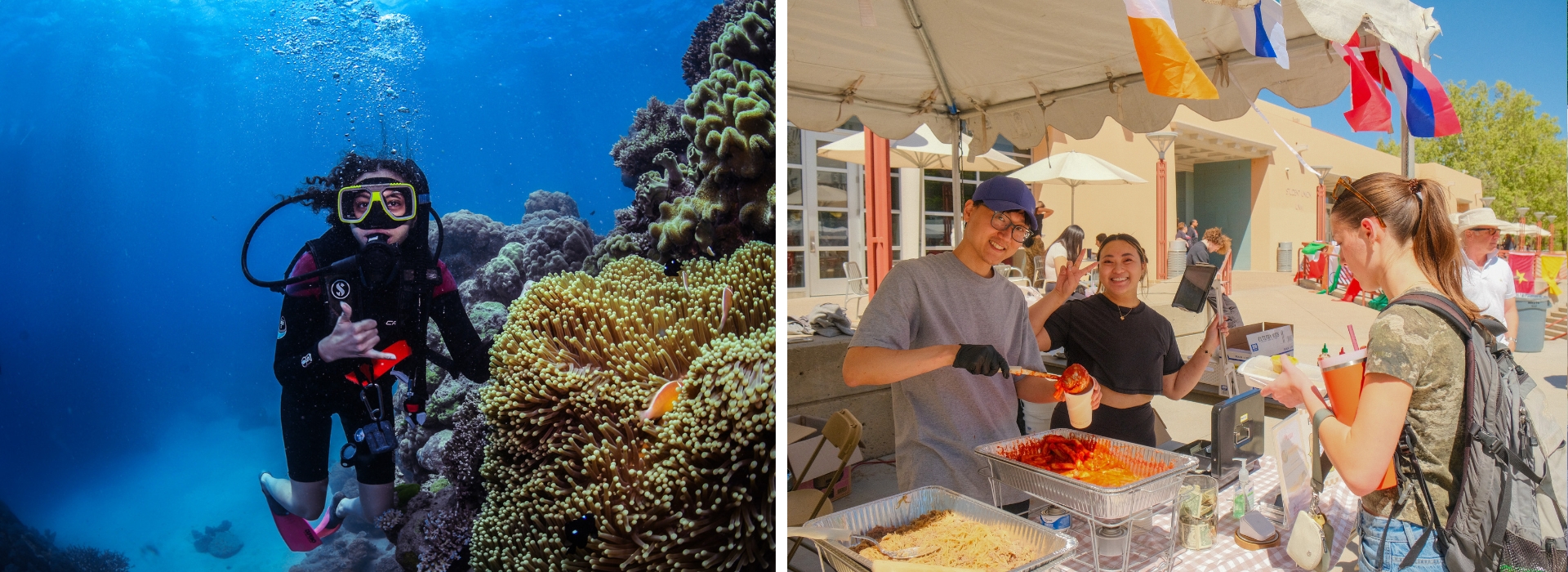
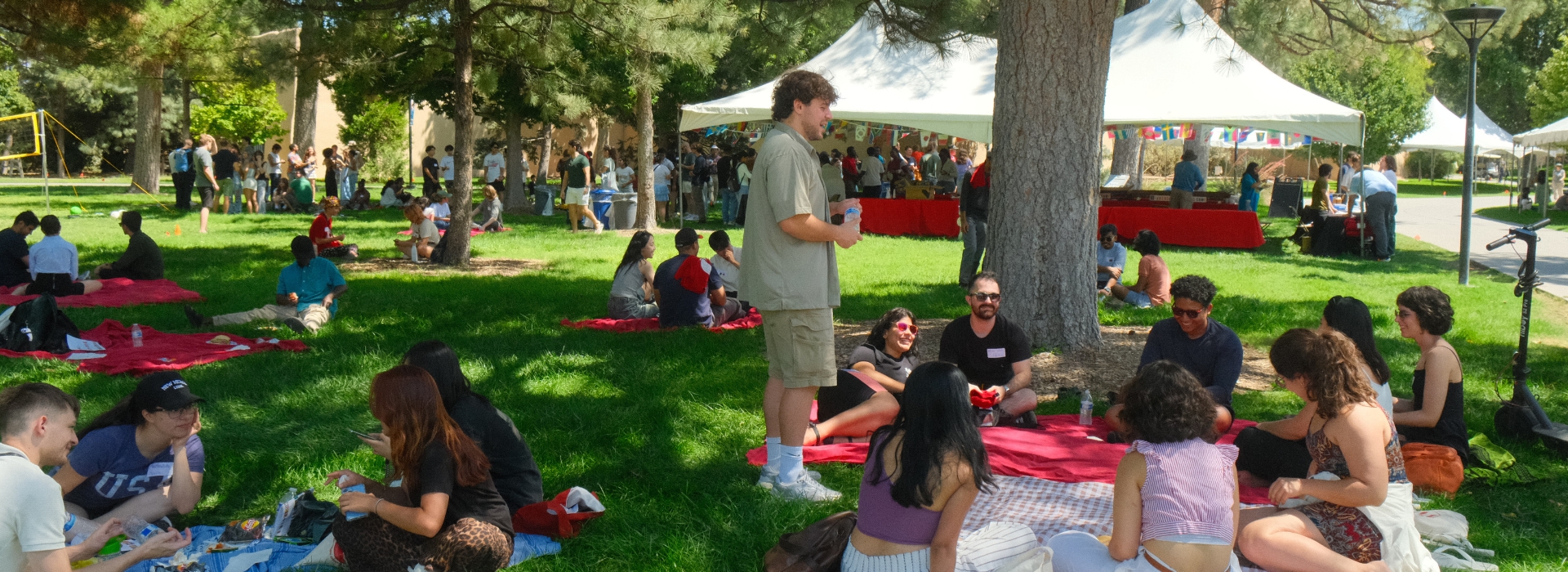
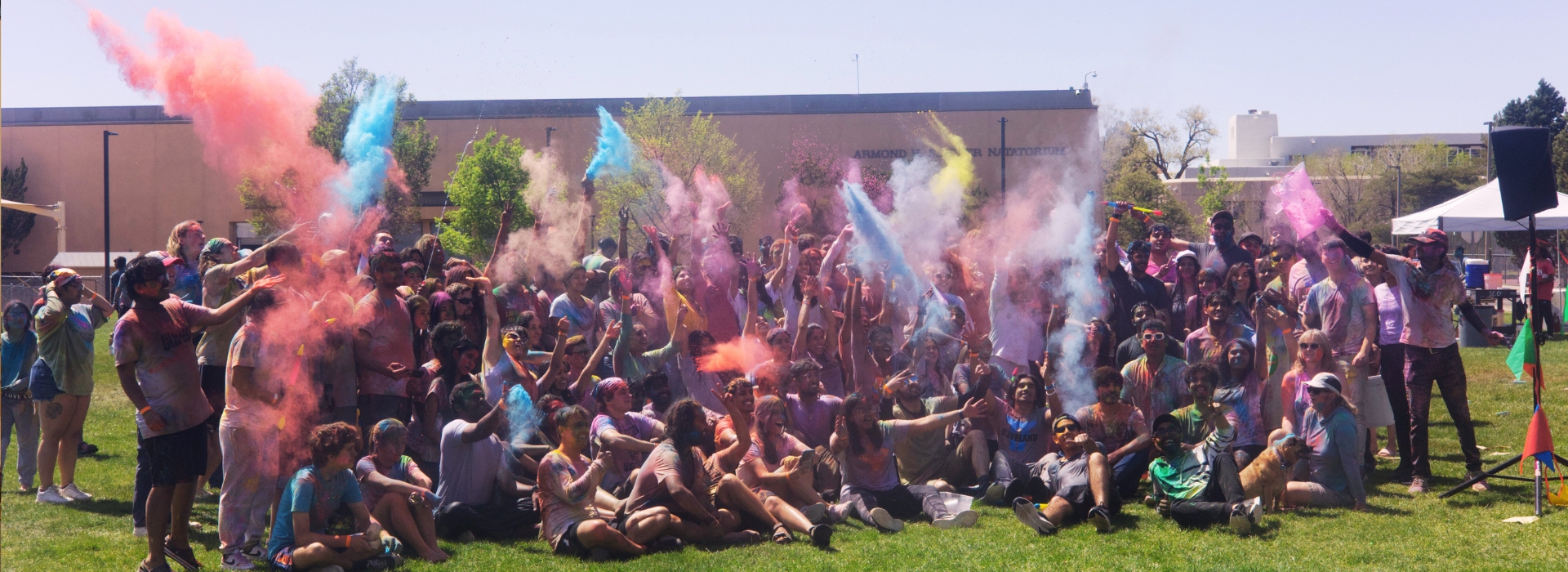
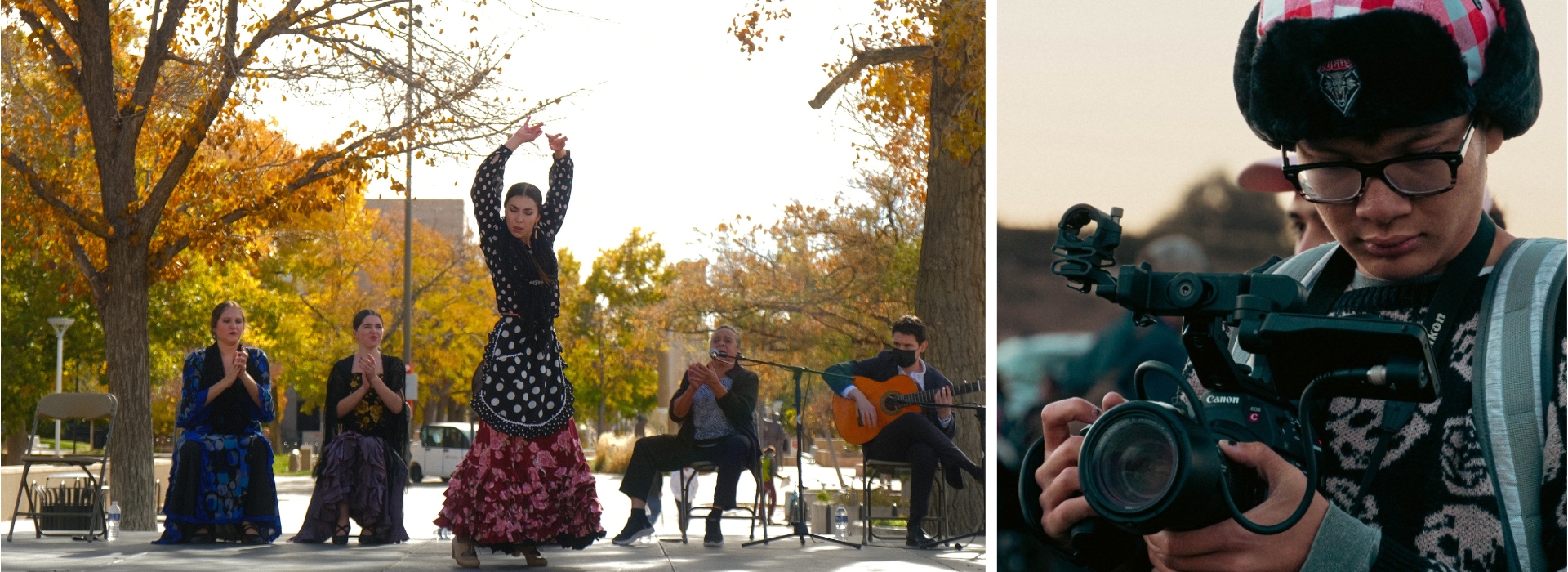
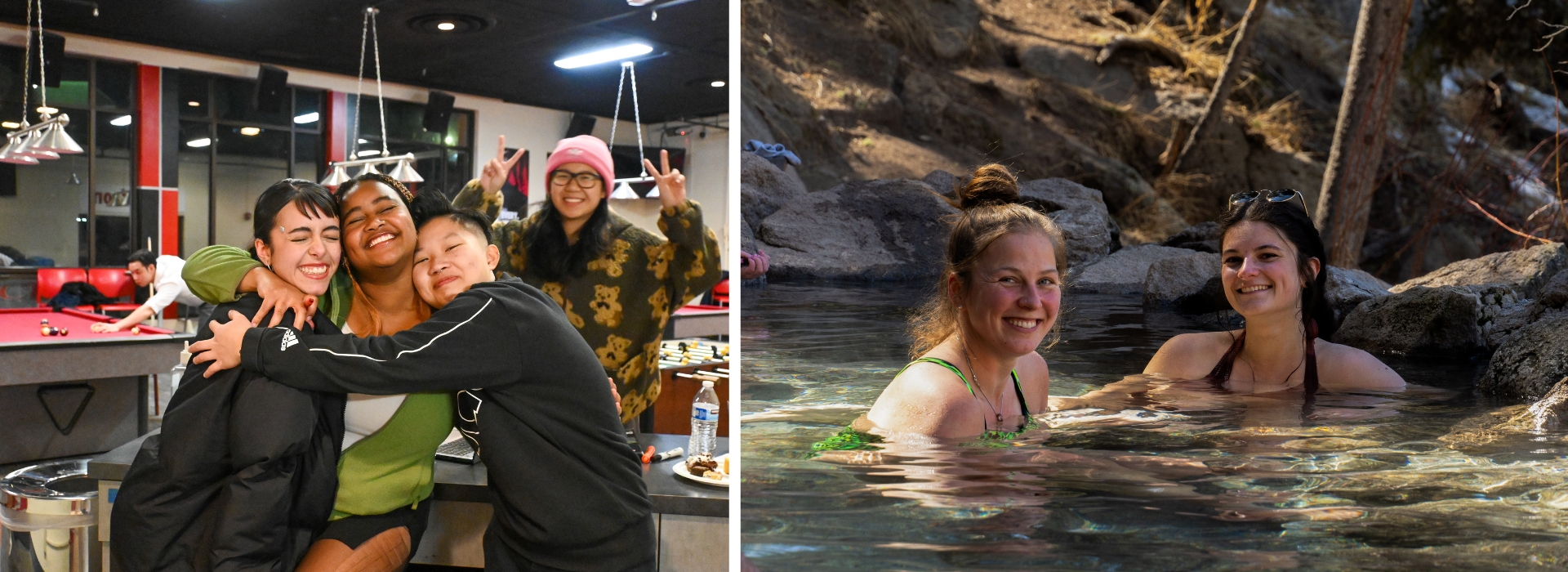
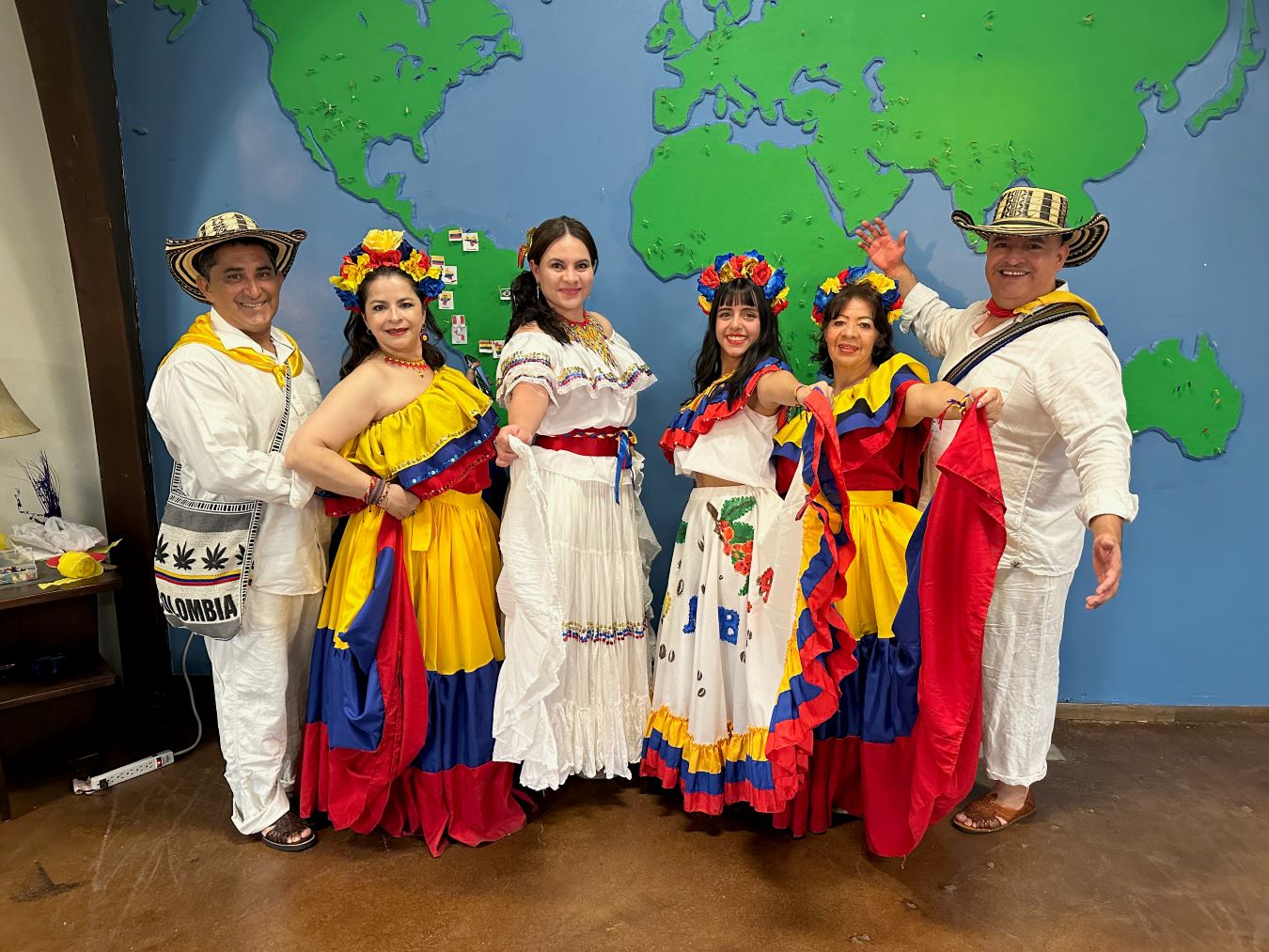
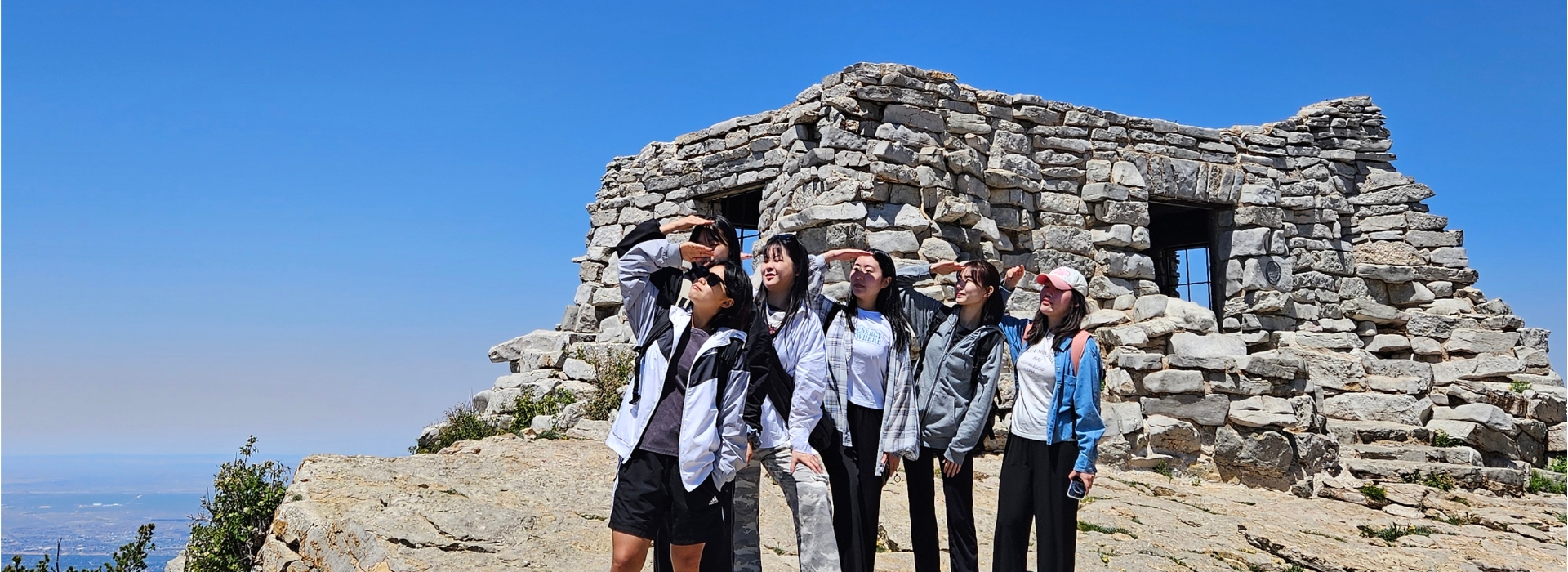
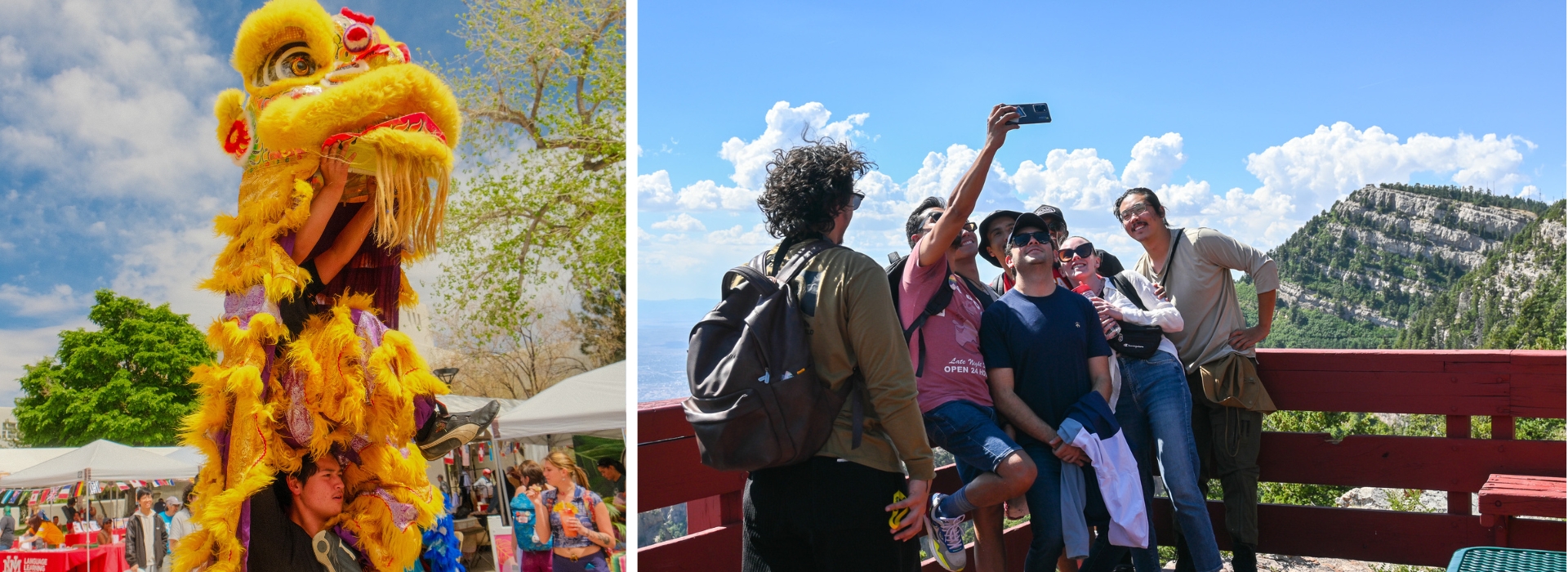
We are a large service unit that facilitates international linkages, cultural exchange, global diversity, and the development of international expertise across all university sectors. GEO is responsible for international recruitment and admissions, creates opportunities to study and work overseas through exchange and education abroad programs, offers immigration, orientation, and co-curricular advising services for international students and scholars who study and work at UNM, provides intensive English language programs at the intermediate to advanced level, and develops short-term certificate programs for adult learners.Welcome to the Global Education Office (GEO)!
Global Highlights
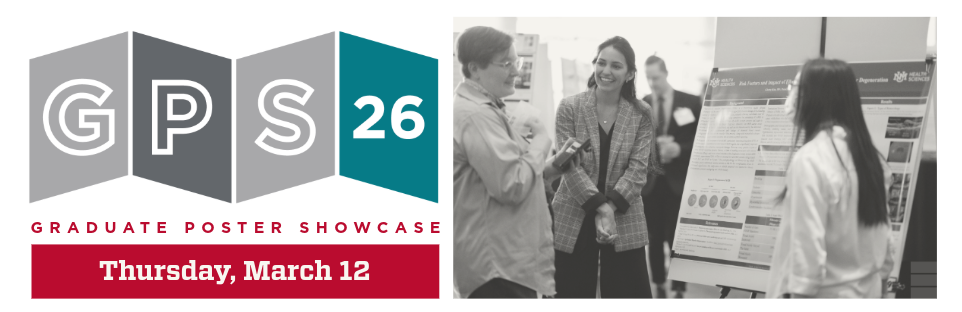
International students succeed at 2026 Graduate Poster Showcase
The University of New Mexico’s 2026 Graduate Poster Showcase included a robust representation of international presenters, many of whom were recognized for their projects. The annual competition held in March brings together graduate students from applied and social sciences to innovation and environmental research. This year marked the largest participation in the event’s history!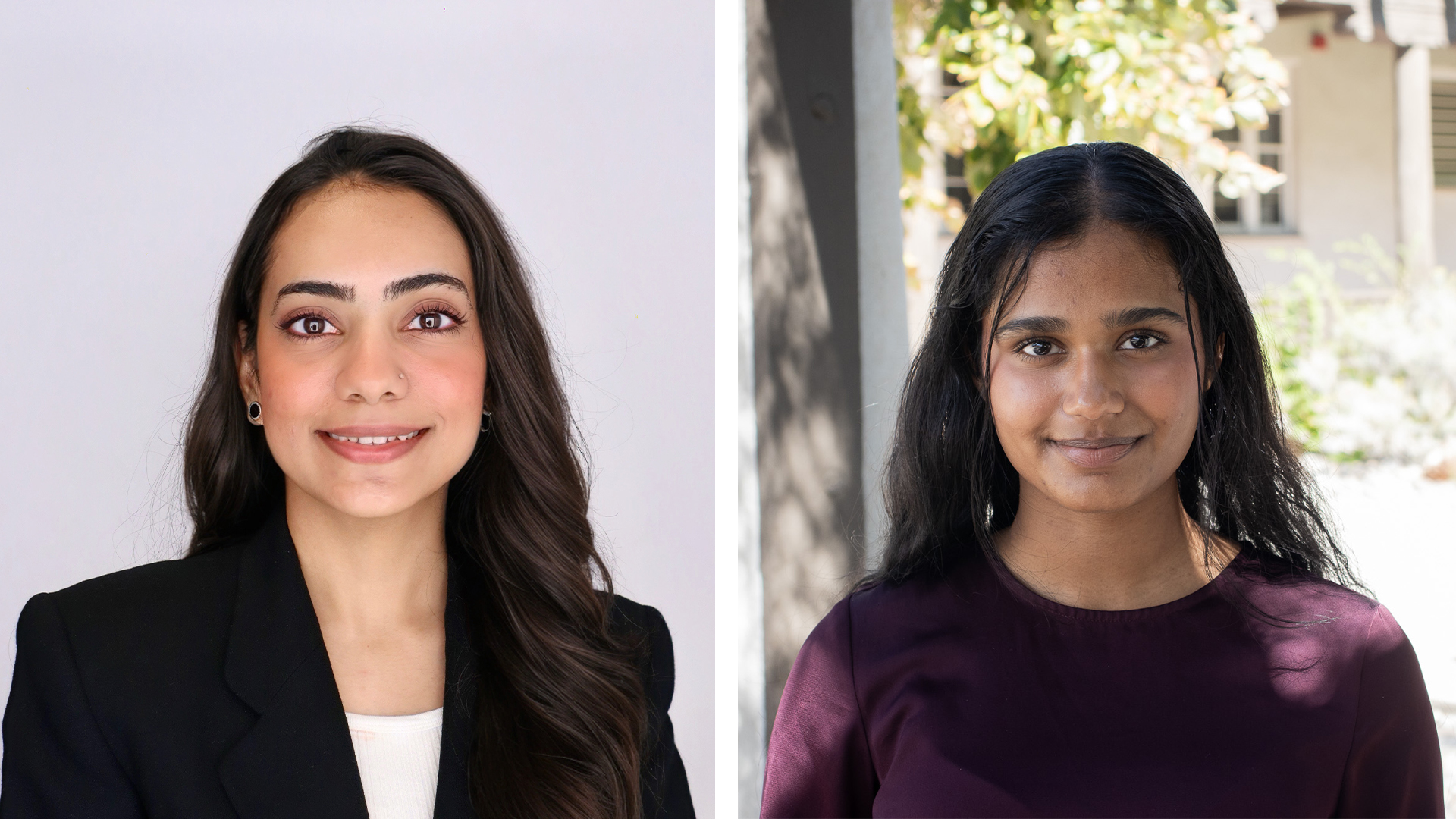
Announcing the 2025-2026 Muhammad Afzaal Hussain Memorial Scholarship awardees
Two University of New Mexico students are being recognized for their commitment to community service and student leadership. Bhumi Milan Thank is a graduate accounting student at the Anderson School of Management. She is an active campus leader with a goal of creating a welcoming and supportive environment at UNM. Her volunteer work has centered on building an inclusive community, as well as practical career pathways, particularly for international students navigating a new country and campus. Haasika Jagirapu is an undergraduate computer science student in her third year at the School of Engineering. She is a dedicated community volunteer who has contributed over 300 hours of services to Albuquerque organizations over the last few years. These include Presbyterian Hospital, Roadrunner Food Bank, the American Red Cross, school tutoring programs, and local community clean-ups.
UNM’s Passport Center helps Lobos go Global
Did you know that The University of New Mexico has a passport acceptance center right on campus? The Passport Center is nestled in the heart of the bookstore, on the first floor, right after the Mercado. See the UNM Passport Center’s location video. The center is a division of the Global Education Office that offers the greater Lobo community an easy, friendly and meaningful way to connect with the world. Giving its customers a personable access point for their international experiences.UNM Students, Staff, and Faculty are Global!
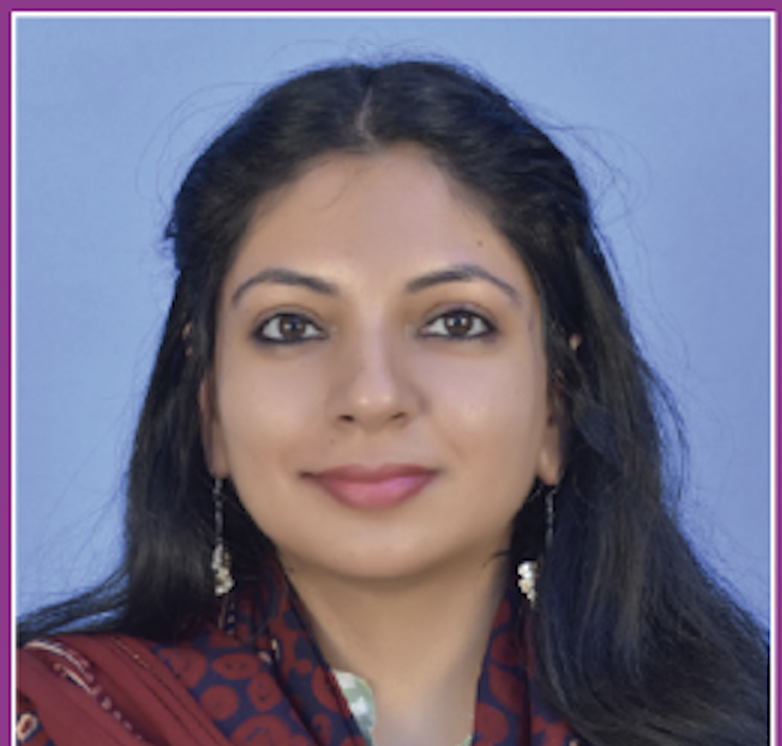
Shewar Khan
Pakistan. Linguistics
Shewar Khan, a native of Pakistan, had never been to Albuquerque or New Mexico before becoming a Ph.D. student in linguistics at UNM in the spring of 2024. But just seeing the place she had been assigned to as a Fulbright student was persuasion enough for her to leave her home country. “I fell in love with the picture of the Sandias as the backdrop,” she recalls of New Mexico. That love has only deepened since becoming a resident: “I love how geographically beautiful Albuquerque is.” Although moving to the United States alone was a major life transition, Khan quickly found a supportive community as an international student at the Global Education Office (GEO). “GEO helped me so much, so I wanted to give back,” she said of her decision to work there as a project assistant. “I was very happy to apply to GEO because, as an international student myself, I can share my experiences with others — and they relate to me.” Shewar enjoys working at GEO, where there is a strong culture of support for students’ needs, a genuine sense of camaraderie, and a deep sensitivity toward the experiences of international students. She said the office is a vibrant and engaging workplace that brings together students from diverse international backgrounds, fostering a strong sense of community — one that she herself found as a student. Her role at GEO has also provided her with valuable exposure to workplace discourse and professional interactional norms in the United States. In line with the goals of her Fulbright scholarship, it enables her to actively engage in cultural exchange while deepening her understanding of cross-cultural communication, pragmatics, and the subtle sociolinguistic dynamics that shape everyday interactions in multilingual and multicultural settings. As a project assistant, her responsibilities include programming and communication for International Students and Scholar Services, as well as supporting international graduate student orientation and workshops. Shewar earned her master’s degree in linguistics and teaching English as a Second Language from Beaconhouse National University, Lahore, Pakistan, and was awarded a Fulbright scholarship to pursue her doctoral studies in the United States. She said she greatly admires UNM for its “wide range of student support services, its vibrant campus life, and its uniquely inclusive environment — truly a world of its own within Albuquerque for international students.” For her Ph.D. research, Khan studies sociolinguistics, with a particular focus on how groups construct meaning and negotiate identities, beliefs, and norms through discourse on social media and in everyday interaction. After earning her Ph.D., she plans to return to Pakistan and pursue a career in academia.
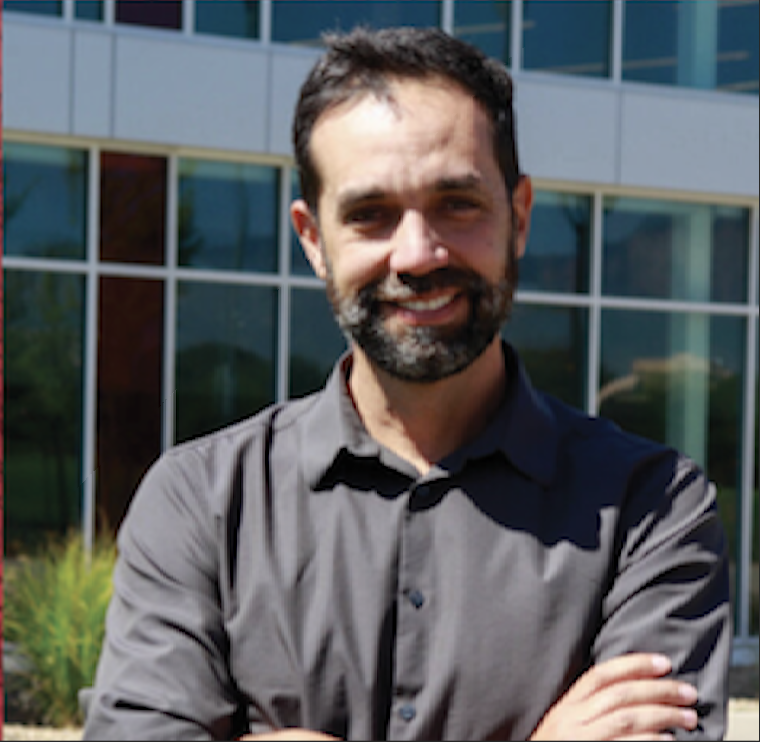
Fabiano Amorim
Brazil. Health, Exercise and Sports Sciences
Fabiano Amorim, associate professor and department chair in the Department of Health, Exercise and Sports Sciences, has been at UNM for 14 years in total, first as a Ph.D. student in 2004, then after returning to his native Brazil, he came back to UNM in 2016. His research focuses on how heat stress affects human physiology, health, and performance. “I am especially interested in occupational populations exposed to high heat and physical demands in real-world settings. My work integrates laboratory and field-based approaches to better understand physiological responses, identify risk factors, and develop strategies to improve health, safety, and performance.” His current work includes a project funded by the Rockefeller Foundation that examines heat stress in informal workers in Rio de Janeiro, Brazil, such as street vendors and recyclable material collectors, who often work in outdoor environments and represent an understudied and vulnerable population. Another line of research focuses on occupational heat stress in the United States, particularly in the construction industry. Amorim said he is most proud of the success of the students he has worked with, which is a product of the strong community he has benefited from as a faculty member and department chair. “I am very grateful for the people I encountered at UNM,” he said. “Their guidance helped me navigate to a new environment and grow as a faculty member.”
Shatam Ray
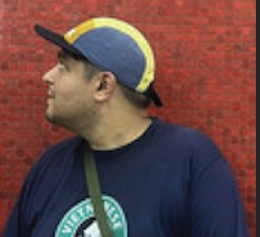
India. History
Shatam Ray, Lecturer III in the Department of History, moved to Albuquerque on a Mellon Dissertation Finishing Fellowship awarded through Emory University. After completing his Ph.D. in 2020, he joined as a faculty member at UNM. He is trained in labor and environmental history with a geographic focus in Modern South Asia. His current book manuscript looks at the history of capitalism as being germane to the ways in which colonial agro-ecological contexts were shaped in the non-metropolitan societies. “I am deeply interested in seeing the ways in which a global environment of extraction and accumulation is, at first, built up and then, subsequently, perpetuated and reproduced thereby naturalizing both capitalist forms of extraction and the natures of impoverishment they rely on.” He also is developing an interest in the larger field of science and technology studies, which may include exploring the idea of a working-class history of electricity in India, his native country. For Ray, his faculty journey at UNM has been made more meaningful because he was able to bring in his interest in environmental history and his focus on Asian history into the UNM teaching fold. “It speaks to UNM student population’s growing appetite for courses that center the history and cultures of Asia — home to 4.7 billion people in the world, living across nearly 50 countries that speak over 2,000 distinct languages. It is a matter of some pride that in my classes I have been able to represent these histories, not just through academic writings in the English language by ‘Western’ scholars but often using primary, secondary, visual, literary and digital sources that are authored and composed by people from those societies themselves, many times in their own languages.” Developing curriculum around these specific areas would not have been possible without the UNM community, such as the Department of History, and receiving University-wide and departmental grants. “I would not be able to do any of these things had it not been for the cooperation, guidance and support of my colleagues and friends I have made here at UNM. I am also thankful for the Center for Teaching and Learning for conferring me with a Teaching Excellence Award this past academic year.”
Liz Cooper
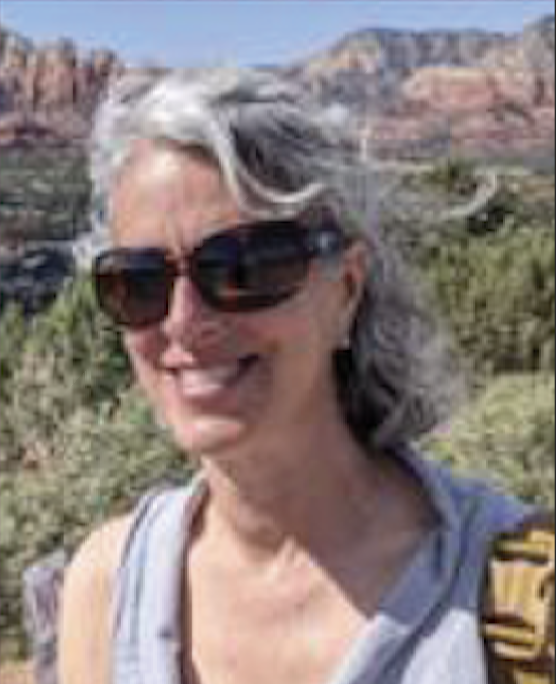
United States. University Libraries and Learning Sciences
Liz Cooper, an associate professor in the College of University Libraries and Learning Sciences, has been at UNM for 12 years, previously holding positions at University of Colorado Denver; Emory University; and American University in Cairo, Egypt. Her current role at UNM is as a faculty member and social sciences librarian for Graduate and Faculty Engagement. Cooper’s research focuses on international issues related to libraries, research methods, and graduate students and their research needs. Recently, she was co-author of an article about graduate students with multiple, overlapping roles and how their lived experiences shape their academic lives. Other recent research includes a study that examined whether U.S. academic libraries are prepared to handle community challenges to collection materials. They found that most are not and proposed a template for responding to such challenges. The work with Cooper’s UNM colleagues received a national award recognizing research with significant impact in the library and information field. Looking ahead, Cooper — a Greek-American scholar — will explore how libraries and both formal and informal learning environments are helping individuals and communities rebuild local knowledge in Greece, with a complementary study planned in Turkey. Cooper’s career has been substantially enhanced from the deep connections she has formed with colleagues, such as a workshop offered by ADVANCE that inspired her to expand into new research areas, as she is doing in the Mediterranean. That support has enabled her to do what she enjoys most. “I think the thing I am most proud of in my academic career is connecting people to resources that could help to make someone's academic life better.” At UNM, she has found support at all levels. “This is a very caring community of faculty scholars, and I feel fortunate to work in such an environment.”
Vikas Buchemmavari
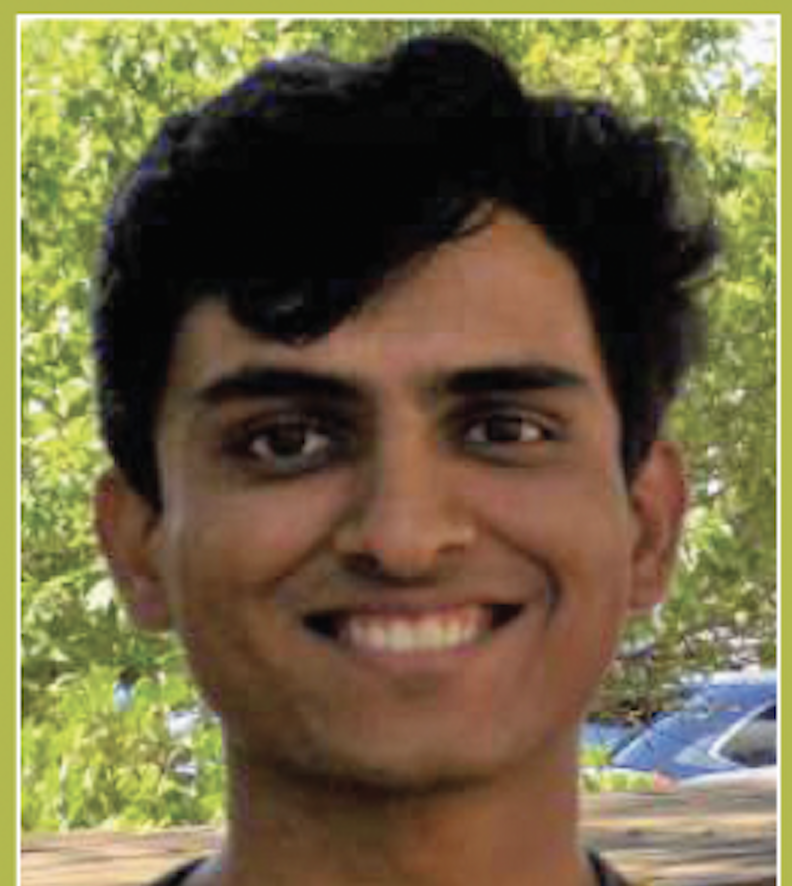
India. Physics
India native Vikas Buchemmavari was always interested in physics, and thanks to UNM’s innovative program in quantum that prepared him to be a leader in the field, he’s receiving his Ph.D. this spring and immediately heading into a new job as a theoretical physicist at a company called Atom Computing in Berkeley, Calif. Buchemmavari completed his undergraduate work in physics at IIT-Madras, working with his UNM advisor Ivan Deutsch’s previous Ph.D. student for his senior project before moving to UNM to pursue to his graduate degree. He left his home country to study at UNM because he heard great things about the quantum physics program, in addition to the possibility of collaborating with national laboratories, which he was able to do. “I have been very lucky to collaborate with excellent researchers at both Sandia and Los Alamos National Laboratory. In a recent project with Sandia, we addressed atom-loss errors, where the atoms held by optical tweezers might be lost over the course of a computational cycle.” More about that project can be found here. Buchemmavari’s Ph.D. dissertation is titled “Neutral Atom Quantum Computation,” where he explains “qubits (quantum versions of bits) are stored in individual atoms (similar to transistors) held in place and manipulated using focused laser beams known as optical tweezers. I am working on the theory of how to control them more efficiently and more effectively.” His work as a research assistant was key in his success. “My main duty is to generate novel research. This includes keeping up with the state-of-the-art research by reading recent papers. … We also discuss these topics with my advisor and other students and postdocs. When an idea presents promise, we consider it a ‘project’ and set goals and work toward achieving them and writing a paper about the results.” He praises the Department of Physics and Astronomy, as well as the Center for Quantum Information and Control (CQuIC), for inspiring him both personally and professionally. “They made me feel a part of a real community. The leaders of the center also provide us guidance on how to give good research talks, how to network, and be a better part of the scientific community.”

Riley Jones
United States . Anthropology
Meet Riley Jones, the 2026 undergraduate recipient of the Globally Engaged Research Awarde from the Department of Anthropology. Riley Jones's research focuses on the management and protection of heritage sites at risk from human activity. His current research examines a form of archaeological site looting in Syria that is distinguished by the level of damage caused to cultural heritage sites and the involvement of state-level actors. Through his work, Jones contributes to international discussions surrounding cultural heritage preservation, conflict, and the protection of archaeological resources.
Catherine R Rhodes
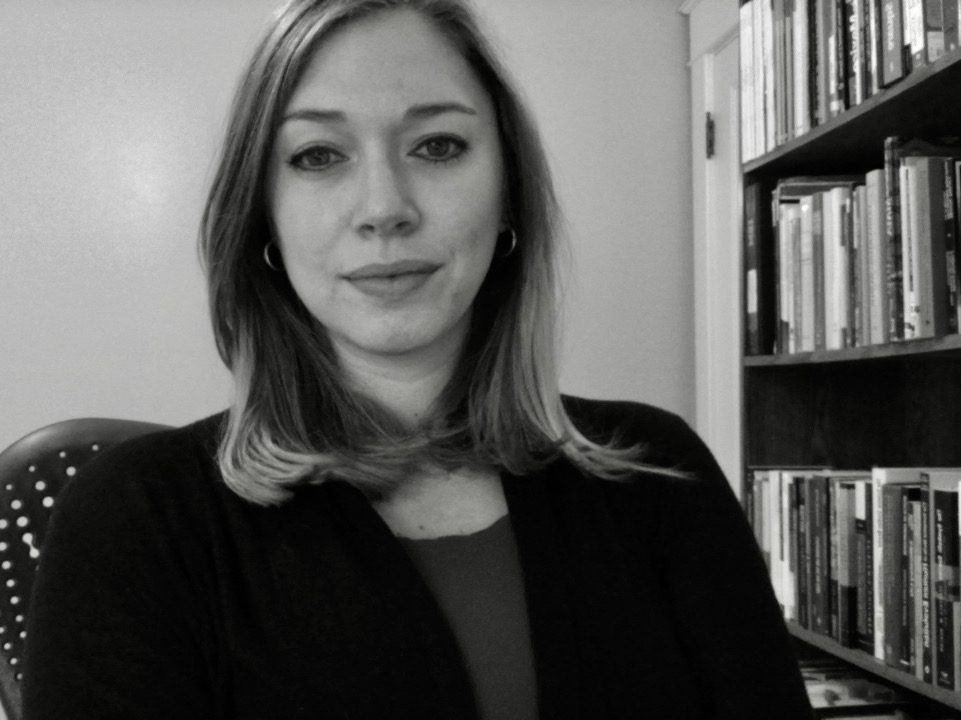
United States. Earth & Planetary Sciences
The 2025 Globally Engaged Research faculty awardee is Associate Professor Catherine R. Rhodes from the Department of Anthropology. Rhodes is being recognized for her efforts to internationalize linguistic anthropology through research, curriculum development, and international collaboration. Through a Fulbright U.S. Scholar fellowship in Mexico, she conducted research on cross-cultural differences in teaching and learning between the United States and Mexico while developing undergraduate linguistic anthropology curriculum in Spanish. Rhodes is co-author of El Lenguaje Vivo: Una introducción a la antropología lingüística, the first Spanish-language introductory textbook in the field, and has established a bilingual course offered jointly between UNM and the Autonomous University of Yucatán in Mexico. She is also working with scholars in Peru, Mexico, and the United States to expand Spanish-language training opportunities and scholarship in linguistic anthropology.

Tiffany Bourelle
United States. English Language and Literature
Tiffany Bourelle, a professor of writing and rhetoric in The University of New Mexico’s department of English Language and Literature, recently received a Fulbright Award for the 2026-27 school year. Bourelle will spend the year in Strasbourg, France, with research focusing on ethics in artificial intelligence. The European Union created the world’s first legal framework for dealing with AI in 2024, an act that was drafted in part in Strasbourg. Bourelle has previously taught a course on AI theory and ethics at the graduate level at UNM. She attended a symposium on UX design in Strasbourg in the spring of 2025 which is where the idea to apply for the Fulbright first came about. “I had been feeling like my research should shift to AI,” Bourelle said. “My research has always been around what it is like to teach in the 21st century and what that means, whether its online or multimodal projects. So, AI is the next thing that I’m thinking about.” Bourelle will be looking at how those working with AI software, either in development or writing documents regarding use, interface with the EU AI Act during those processes and how ethics is approached within that framework.
The Fulbright Program is one of the most prestigious awards available in higher education, offering both students and faculty the opportunity to complete an exchange program in another country with an aim to advance their work in research on a topic of their choosing while teaching courses at a foreign university.

Esteban Rangel
Mexico. Anthropology
Esteban Rangel is a PhD student in Evolutionary Anthropology at the University of New Mexico. His research focuses on bioarchaeology which combines biological anthropology and archaeology to study migration and identity in Mesoamerican populations. His previous work has included studying cranial modification in the Andes and analyzing human skeletal remains from Maya sites in Belize. As a bilingual Mexican American researcher, he is especially committed to developing long-term collaborations with Mexican scholars and institutions. His Fulbright award will fund his dissertation project data collection which investigates the population origins of the Mexica, which formed part of the Aztec Empire, and migration into the Basin of Mexico during the Postclassic period. Using dental morphology, he will compare skeletal collections from different populations in Mexico to evaluate models of Mexica migration and origins. The project builds on pilot research and networking trip to Mexico funded by an LAII Field Research Grant. In addition to collecting dissertation data, he will work with Mexican students and researchers to offer training in dental morphology.

Micah Chavez
Spain. Education
Micah Chavez is a recent graduate from the University of New Mexico with a degree in Elementary Education, along with endorsements in Bilingual Education and TESOL. Micah was awarded a Fulbright English Teaching Assistantship to Spain, where she will teach in Galicia, the northwestern region of the country. During her final semester at UNM, she worked as a full-time 4th grade bilingual teacher at New Mexico International School, and prior to graduation, she worked as a substitute teacher in Albuquerque Public Schools and completed her student teaching as part of her degree program. Micah is passionate about education, language, and the ways in which language shapes and impacts educational experiences, with a particular interest in New Mexico schools, bilingual education, and language-immersion learners. Through her Fulbright experience in Galicia, she hopes to deepen her understanding of international education, multilingual learning, and educational systems across cultures as she pursues a career in international education. Micah is incredibly thankful for the exceptional mentors and colleagues who have supported her throughout her time at the University of New Mexico and New Mexico International School and who have helped make many of these opportunities possible. Specifically, she would like to thank Jesse Wieland, Dr. Kiyoko Simmons, and her colleagues at New Mexico International School.
Madeline Griffin
Brazil. Latin American Studies
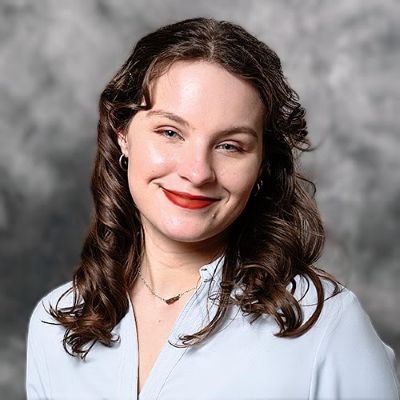
Madeline Griffin is a recent UNM graduate, recently completing her master’s in Latin American Studies with a concentration in Conflict, Peace, and Rights. She also holds a Bachelor of Arts from Emory & Henry College, where she completed majors in International Studies, Hispanic Studies, and History. Since finishing her studies, Griffin works as an International student advisor at Maryville College in East Tennessee. She began studying Portuguese last summer through the Critical Language Scholarship Program in Rio de Janeiro, continued learning through CLS refresh lessons, and is thrilled to return and learn about a new region of Brazil. Griffin was selected as one of 10 Fulbright English Teaching Assistant finalists to support students and faculty in universities/post-secondary institutions. She looks forward to fostering intercultural exchange, learning, and support while working with students. “I am absolutely thrilled to have the opportunity to continue learning and engaging while contributing to my surrounding community as an English Teaching Assistant in Brazil. The younger version of myself who first dared to chase my passion for intercultural exchange and language learning is beaming at this turn of events. A lot of hard work, mentorship, and good timing has gone behind this opportunity. I look forward to using this platform to create a meaningful learning atmosphere for my students as we work together. “I am privileged to learn from the many mentors and professors throughout my life who encourage me to push outside my comfort zones and dedicate my time to what I am passionate about. Thank you to all those who continue to support students chasing their passions. None of us would be here without you. I hope I can bring some of what you’ve taught me to benefit students as an ETA,” said Griffin. Griffin especially thanks those at the LAII, including Dr. Kathryn McKnight, Dr. Lenny Valerio and Rosa Prada Vivas, for their support and care throughout her studies. She thanks Laura Bunn, and her CLS Portuguese Professor Claudia Bello Winter for her passion in sharing her language and culture. She also thanks her Emory & Henry community including Professor Claudia Vestal, Dr. Sarah Fisher, Dr. Gaia and Dr. Boltwood.
Isela Rendon
South Korea. Language, Literacy, and Sociocultural Studies and Latin American Studies
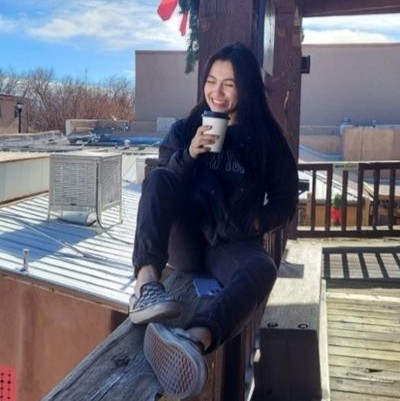
Isela Rendón is pursuing a dual master’s degree in Language, Literacy, and Sociocultural Studies and Latin American Studies at The University of New Mexico, which she expects to complete by December 2025. For the past three years, she has worked as a secondary public-school teacher in Albuquerque, following previous experience leading educational programs abroad. With her Fulbright English Teaching Assistant Award, Rendón will travel to South Korea, where she will support English language education and continue to grow as an educator committed to global engagement. “I’m honored to be a Fulbright recipient and look forward to continuing my journey as a global educator,” Rendón said. “It has been quite a journey, and I’m eager to embrace this opportunity and excel in its greatness.” Rendón hopes to continue exploring how educational programs worldwide recognize and leverage students’ literacies as assets to learning. “I hope to carry what I learn in South Korea into every experience that follows, with the goal of better serving students and communities in the future,” she said. She would like to thank her mentors and Dr. Kiyoko Simmons for their support throughout the application process.

Cassidy Tawse-Garcia
United States . Geography and Environmental Studies
The 2025 Globally Engaged Research graduate student awardee is Cassidy Tawse-Garcia from the Department of Geography and Environmental Studies. Tawse-Garcia studies the human dimensions of climate-induced disasters, focusing on how rural communities respond to wildfire and related environmental challenges. Through collaborations that span the U.S. Southwest and Latin America, she contributes to a growing international understanding of how communities adapt to climate-related crises.
-
-
-
-
-
-
-
-
-
-
-
-
-